Quick Reads
IVF Cost in Gorakhpur: What You Really Need to Know
IVF isn’t an off-the-shelf product—it’s a tailored medical journey. Here’s how costs actually break down, and what to ask before you sign.
IVF
7 min read
·
Selected for you


Low AMH and Pregnancy: What It Really Means
A low AMH number can feel frightening—but it is not a pregnancy verdict. Here is what the test actually tells you, and what to do next.
Diagnosis
6 min read
·
Selected for you
Why IVF Fails: Causes, Cycle Reviews, and Next Steps
A negative test after IVF is exhausting—and it is not your fault. Here is where cycles hit hurdles, and how a proper debrief builds a real roadmap forward.
IVF
7 min read
·
Selected for you


24/7 Emergency Call
Our team is available around the clock to provide urgent guidance and support when you need it most.
Let us know!
+91 9198343331
2k+
Happy
Couples
89%
Patient
Satisfaction
24x7
Patient
Support
12+
Years of
Experience
What are Uterine Fibroids?
Noncancerous growths inside uterus
Vary vastly in size
Woman can have a single to multiple Fibroids.
Often causes no symptoms

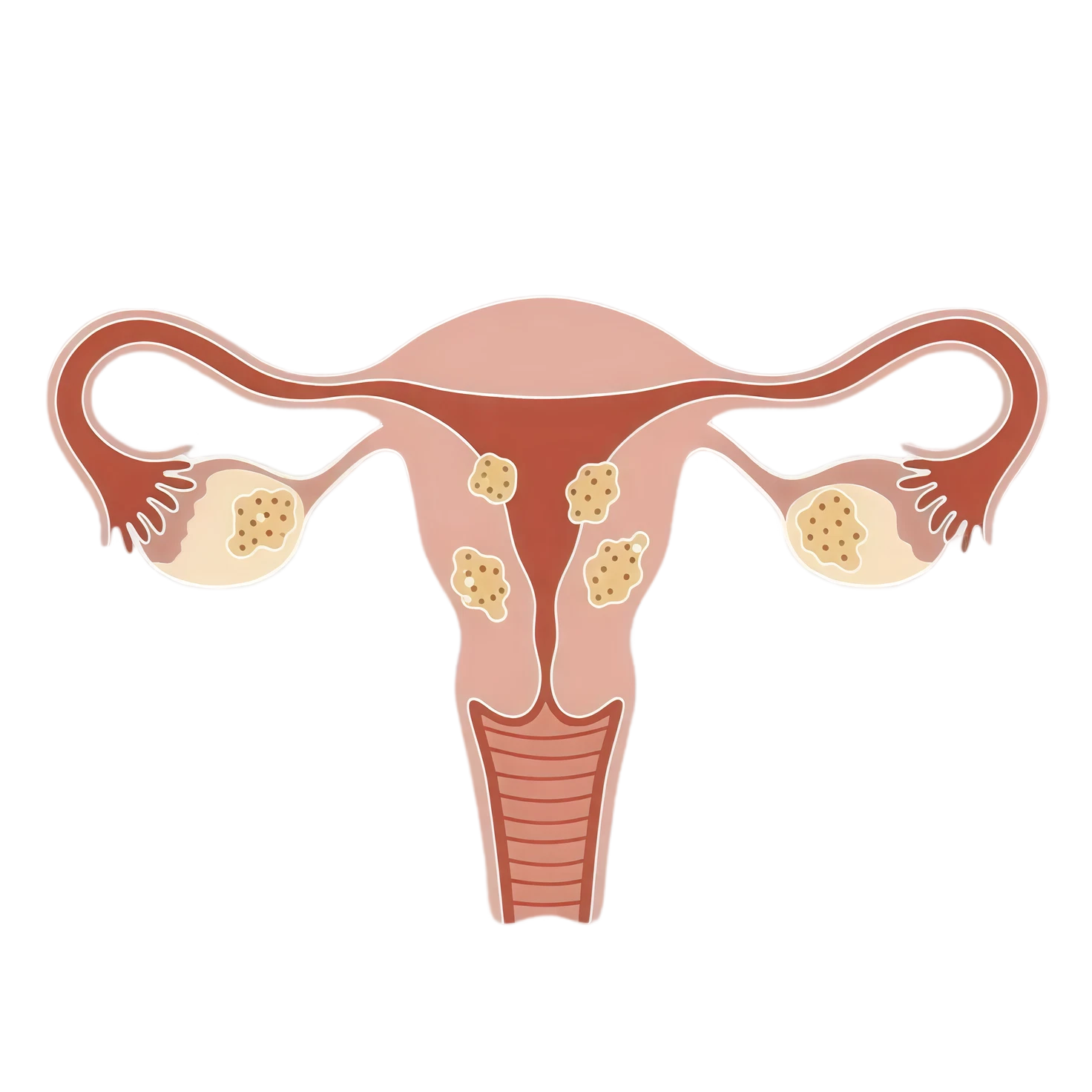
Understanding Uterine Fibroids
Uterine fibroids, also known as leiomyomas or myomas, are benign tumors that develop in the uterus. They are one of the most common gynecological conditions affecting women of reproductive age. While the exact cause of fibroids remains unclear, factors such as hormones, genetics, and growth factors play a significant role in their development.
Types of Fibroids
Fibroids can develop in different locations within the uterus, including intramural (within the uterine wall), subserosal (on the outer surface), and submucosal (protruding into the uterine cavity). Each type may present different symptoms and treatment considerations.
When to Seek Treatment
While many fibroids are asymptomatic and require no treatment, some women may experience heavy menstrual bleeding, pelvic pain, frequent urination, or fertility issues. If you're experiencing any of these symptoms, it's important to consult with a qualified gynecologist who can recommend appropriate treatment options ranging from medication to minimally invasive procedures.
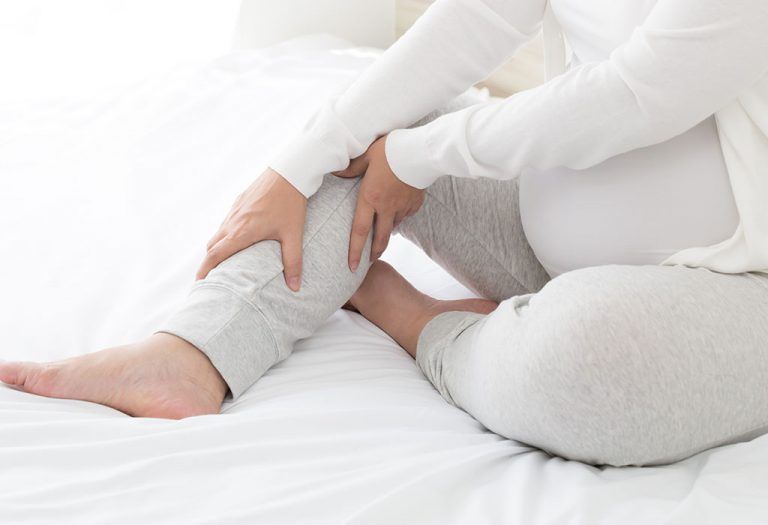
Remedies to Deal with Leg Cramps During Pregnancy
An ice pack or warm compress
Potassium intake
Regular stretching
Increase water intake
Massage is important
Understanding Leg Cramps in Pregnancy
Leg cramps during pregnancy are a common discomfort experienced by many women, particularly in the second and third trimesters. These sudden, painful muscle contractions typically affect the calf muscles but can also occur in the feet and thighs.
Why These Remedies Work
Temperature therapy through ice packs or warm compresses helps relax tense muscles and improve blood flow to the affected area. Maintaining adequate potassium levels supports proper muscle function. Regular gentle stretching exercises, especially before bedtime, combined with proper hydration and calf massages, can help prevent cramps.
When to Seek Medical Attention
While leg cramps are usually harmless, you should consult your healthcare provider if you experience severe pain, swelling, redness, or warmth in your leg. Our experienced team can provide personalized care and treatment recommendations tailored to your needs during pregnancy.